Thirty years on, Károly Méhes looks back at the 1996 Monaco and Spanish Grands Prix, two landmark races in the history of Formula 1 for very different reasons.
In the spring and early summer of the 1996 season, two consecutive races produced results that occupy an important place in Formula One history. First came Olivier Panis’s maiden—and ultimately only—victory, which also turned out to be the final win for the Ligier team, in Monte Carlo. Two weeks later, Michael Schumacher claimed his very first victory for Ferrari at the Catalan circuit.
1996 Monaco Grand Prix
What is more, I was present at the former race, albeit not quite in the way I had originally planned. Back in 1996, everything was still done by post, with the occasional fax thrown into the mix. I waited and waited for confirmation of my media accreditation from the FIA, which, I must admit, I had taken for granted. Yet it never arrived. To make it to Monaco in time for Thursday’s opening practice sessions, one had to set off no later than Wednesday, given that the distance between my home in Pécs, Hungary and the Principality was some 1,300 kilometres.
In desperation, I picked up the phone and contacted the FIA accreditation office to find out what was going on and why my confirmation had not arrived. The lady on the other end of the line, speaking English with considerable French elegance, asked for my name and publication at least three times. She disappeared for increasingly long stretches while searching through records before finally informing me, quite bluntly, that although she could see who I was and knew the publication I represented, they had received no application from us whatsoever that year. She was sorry, but there was nothing she could do. So that was that…
Apparently, the paperwork had either vanished somewhere in the labyrinth of international postal services or had been misplaced by the Parisian mademoiselles after all. It hardly mattered. The bottom line was simple: no accreditation, no pass. And what could one do at that point, with accommodation arranged, a test car secured, and, as usual, a stack of invitations already received?
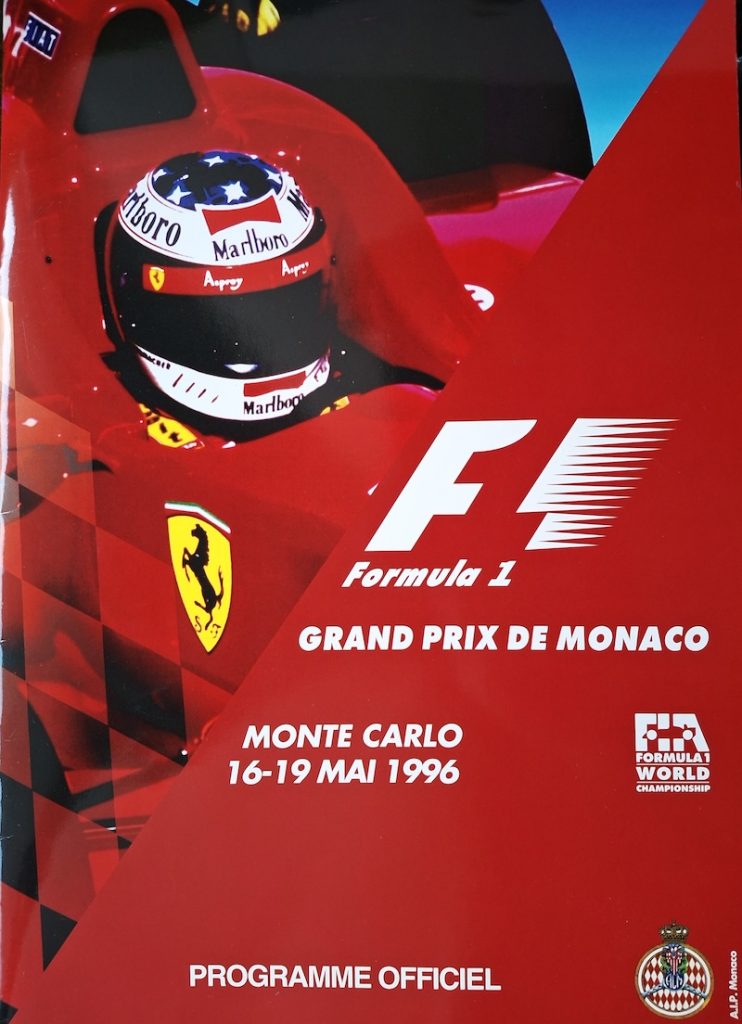
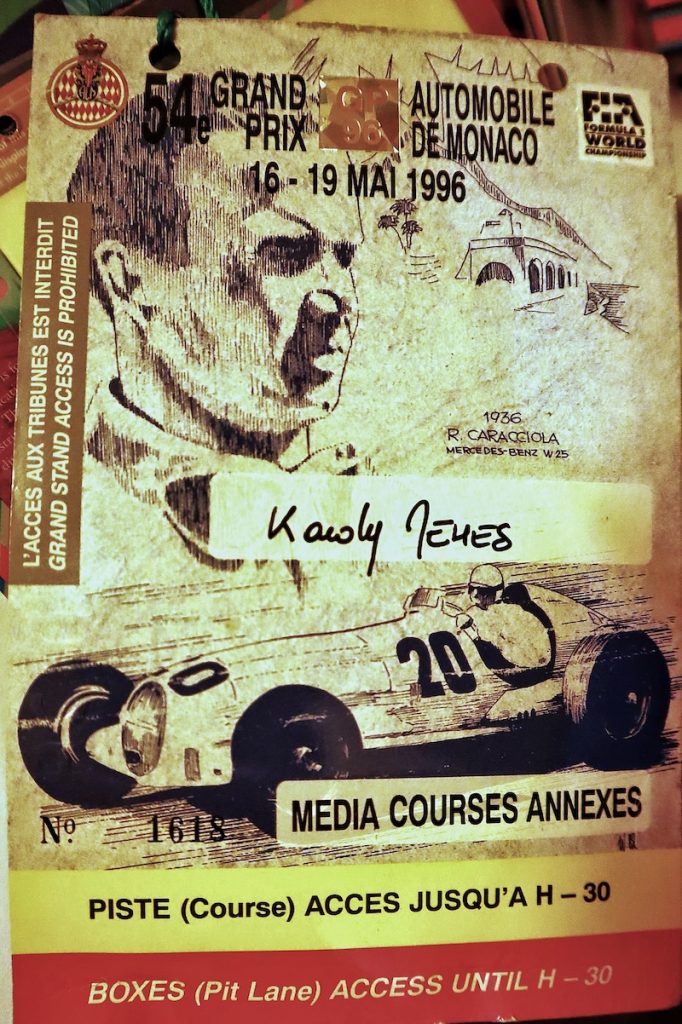
The only idea that came to mind was to ask my dear friends at Porsche whether they might somehow be able to help. Wilfried Müller, Porsche’s head of press relations at the time, immediately understood the seriousness of the situation and, as I had hoped, managed to pull us out of trouble. He was able to provide us with passes that, whilst not equivalent to an official FIA media accreditation, were still valid for almost everything else. We could access the circuit, the media centre and the support-race paddocks; everything except the Formula 1 paddock itself.
“Never mind,” we thought. We had seen that often enough already. At worst, we would simply spend more time wandering around the principality. And so we set off on the 1,300 kilometre journey in a Fiat Coupé supplied by the local FIAT dealership.
In the end, the arrangement worked perfectly. Porsche welcomed us with such warmth that we felt like political refugees being taken in. We effectively moved into their hospitality area for the entire weekend. I would occasionally sneak into the press room to collect information and press materials, while otherwise, as had become our custom in Monte Carlo, we attended the various events taking place around the city.
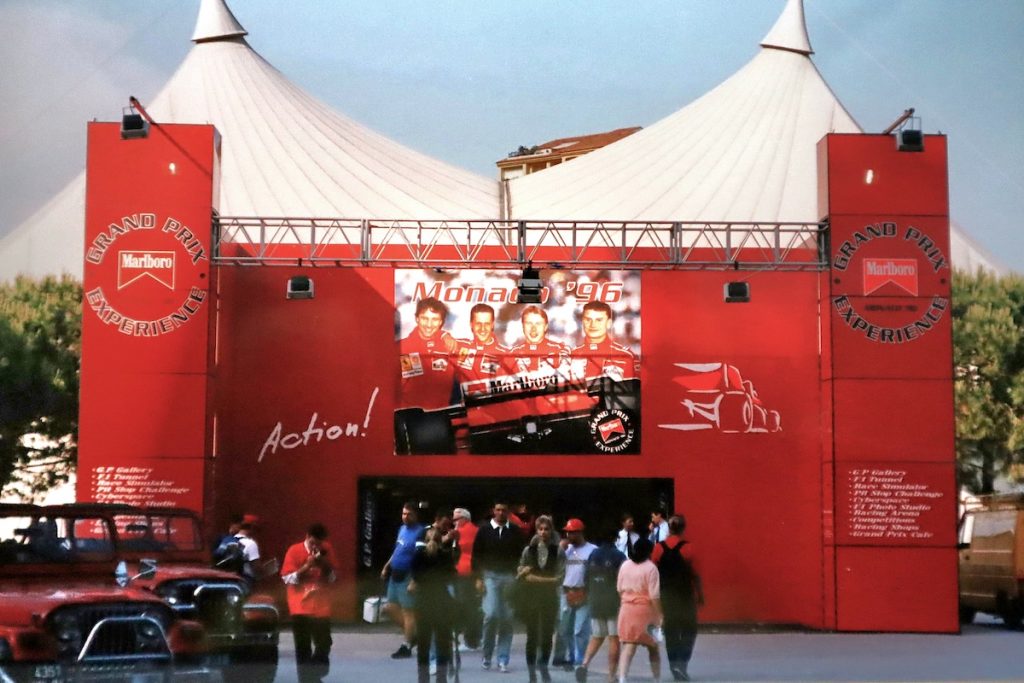
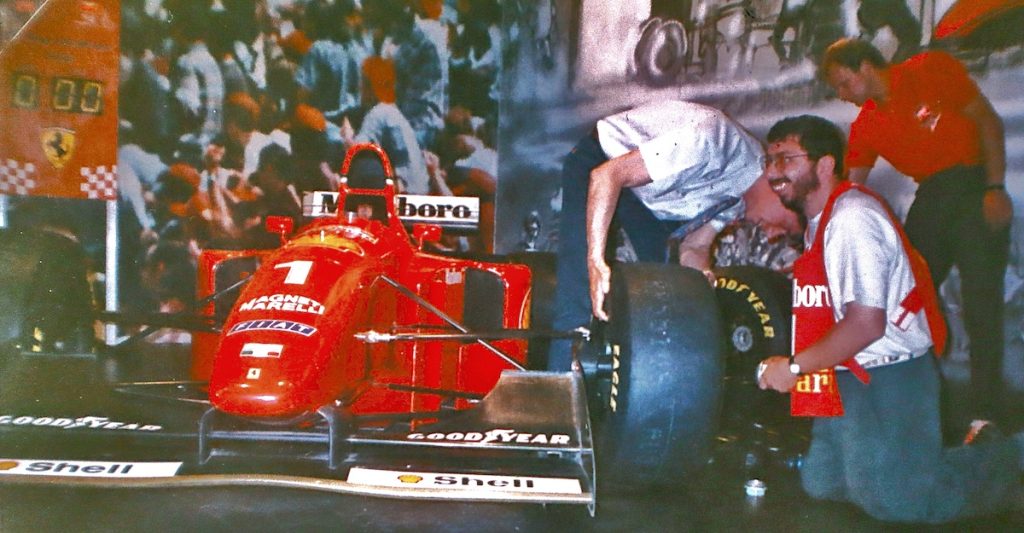
One of these was the Marlboro Village near the heliport, where for the first time in our lives we took part in a Formula 1 tyre-changing competition. Naturally, we were somewhat slower than what today’s mechanics can achieve, but we left with yet another splendid T-shirt as a souvenir.
The race itself took place in torrential rain. Interestingly, Monaco seemed to produce such conditions every twelve years. In 1972, amid a similar downpour, Jean-Pierre Beltoise claimed the first and only Formula One victory of his career. In 1984, the rain poured once again as Ayrton Senna produced a stunning drive in a Toleman and came close to victory, only for race director Jacky Ickx to stop the race on lap 31, thereby effectively preserving Alain Prost’s win. And now, another twelve years later, the rain had returned.
Schumacher, just as he had done at Imola two weeks earlier, put his Ferrari on pole position, already showing fans and Jean Todt’s management team that signing the two-time World Champion had been money well spent. The race, however, would not unfold so favourably.
At the start, Damon Hill’s Williams surged past Schumacher. The German appeared so unsettled by the move that halfway around the opening lap, at Portier, he clipped the barrier with the left front corner of his Ferrari—and his race was over. Hill maintained the lead, and as the rain eased and the circuit began to dry, teams switched from grooved wet-weather tyres to slicks during their pit stops. Meanwhile, almost unnoticed at first, Olivier Panis steadily worked his way forward. At one point he even helped Eddie Irvine—driving the second Ferrari—into the barriers at the hairpin. Today such a manoeuvre would earn a severe penalty; back then it was still considered a simple “racing incident”.
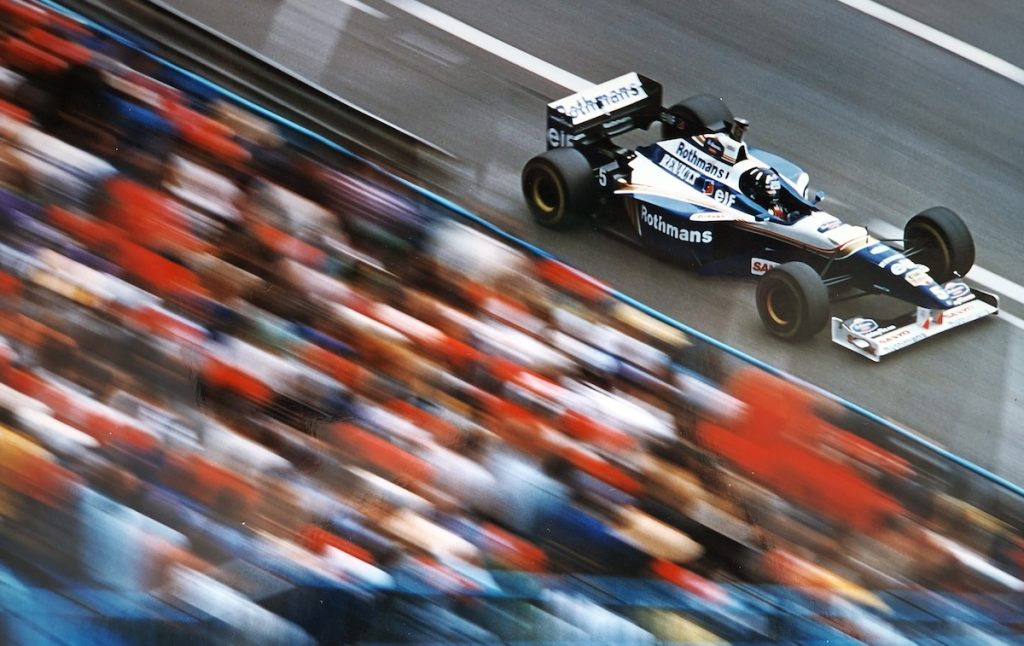
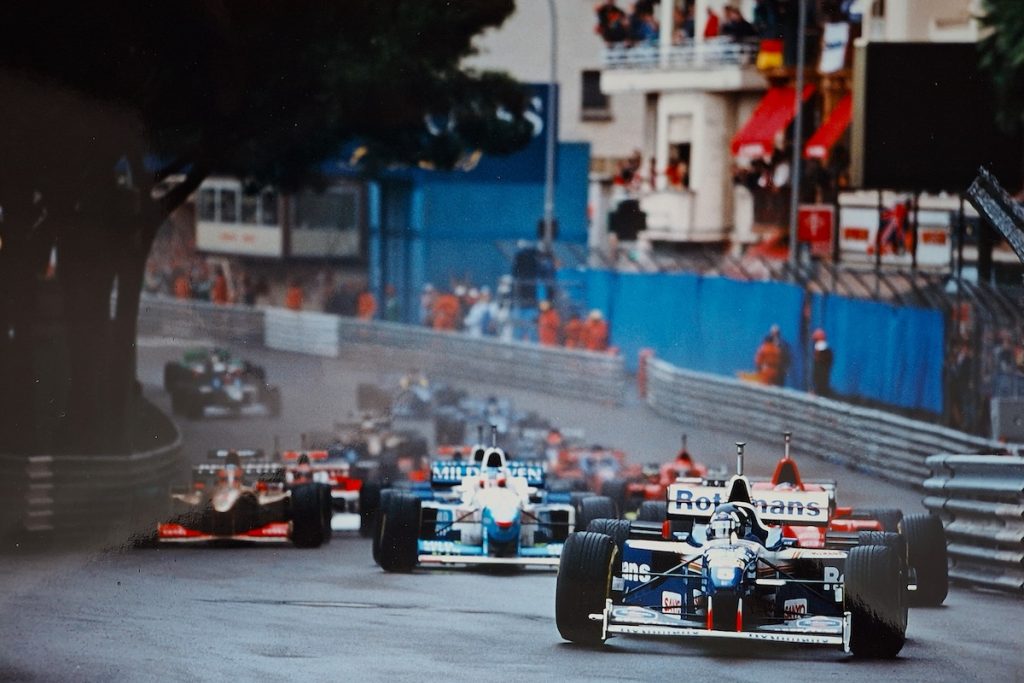
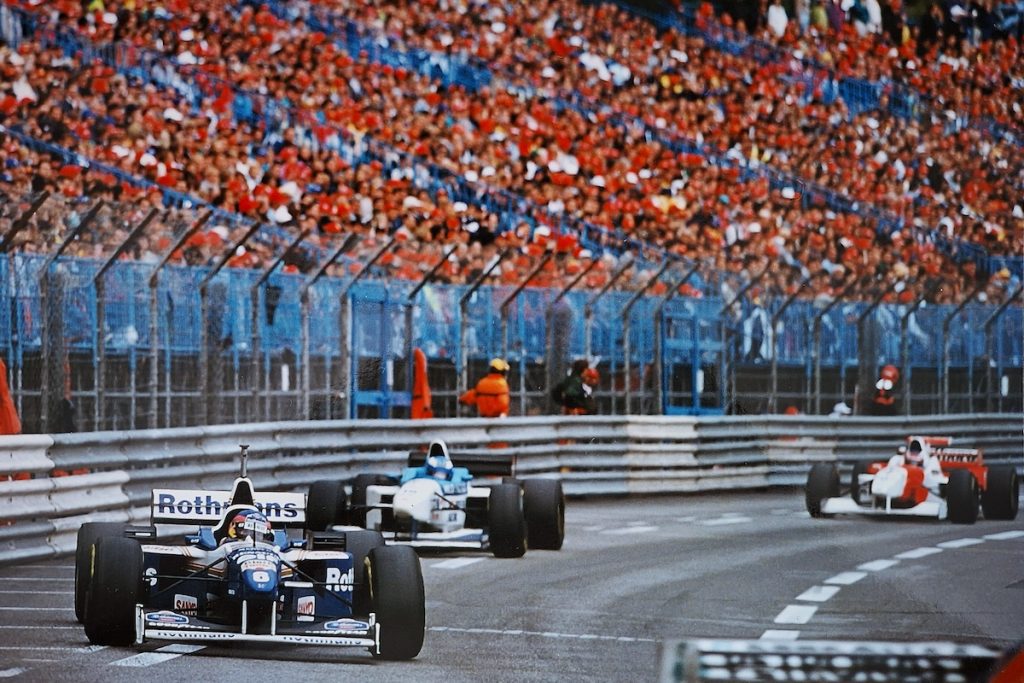
The next major drama came when Hill retired. By Lap 40, the Williams-Renault was already trailing a plume of smoke through the tunnel, and Damon soon disappeared down the service road. Jean Alesi inherited the lead, but fate had clearly decided that the Frenchman would never enjoy more than a single Grand Prix victory. Twenty laps later, Alesi’s Benetton expired.
And so Panis, who by then had climbed to second place, suddenly found himself leading the race. Behind him, chaos continued to reign, with cars spinning, crashing and retiring at an astonishing rate. By the time the victorious Frenchman crossed the finish line, only four cars remained running on the circuit. David Coulthard brought his McLaren-Mercedes home in second place, while Johnny Herbert finished third for Sauber.
For the French team founded by Guy Ligier in 1976, this would prove to be its final Formula One victory. In 1997 the outfit was sold to Alain Prost and, under the name Prost Grand Prix, eventually collapsed at the end of the 2001 season.
1996 Spanish Grand Prix
Two weeks later came the next round of the championship, the Spanish Grand Prix, held since 1991 at the Circuit de Catalunya near Barcelona. And, would you believe it, it was another rain-soaked race.
The rain poured relentlessly. Under such conditions today, the start would almost certainly have been delayed, or the field would have spent lap after lap circulating behind the Safety Car. But these were different times, which many still regard as a more heroic era of Formula 1.
The two Williams cars occupied the front row. Rookie Jacques Villeneuve seized the lead at the start, while Alesi moved ahead of Damon Hill. Schumacher lined up third but suffered clutch problems and dropped several places. Behind him, a number of drivers collided, including Coulthard, Giancarlo Fisichella, and Monaco hero Panis. The following laps brought countless spins and excursions into the run-off areas. Among those struggling was Damon Hill, who left the track twice before finally ending his race in the barriers on Lap 12.
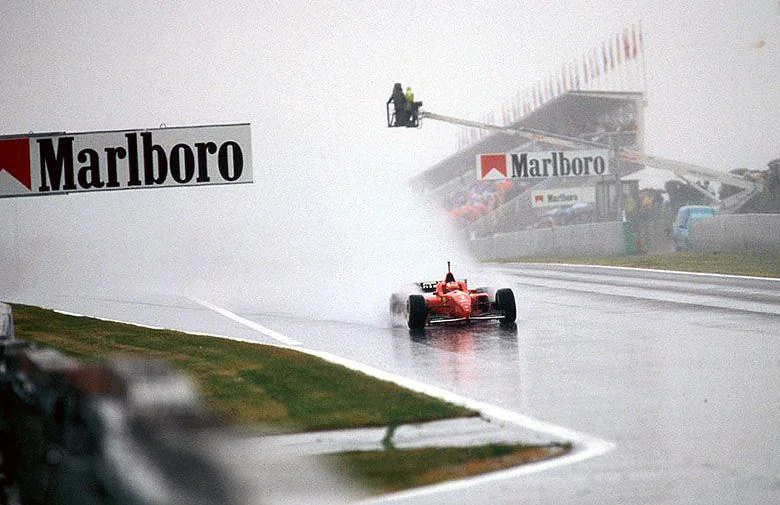
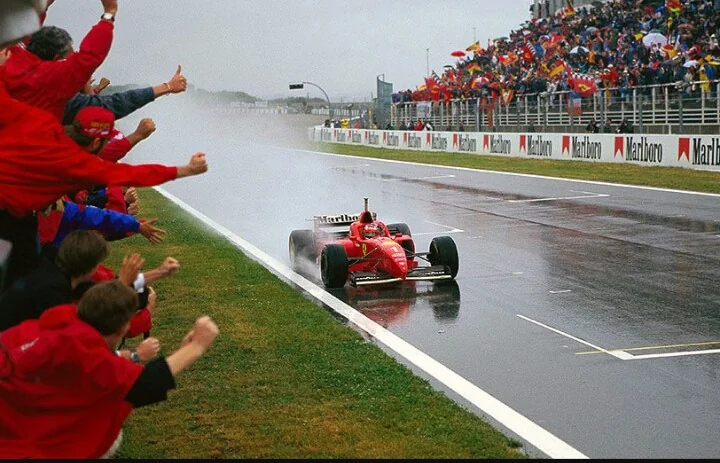
Schumacher, however, was completely in his element after the poor start. Like a fish in water, he rapidly recovered lost ground and soon found himself chasing Alesi for third place. By lap nine he had already climbed to second behind Villeneuve. One lap after Hill’s retirement, Schumacher showed no mercy, sweeping past Villeneuve as well. From that moment onward, he simply disappeared into the distance. By the chequered flag, his advantage over Alesi exceeded 45 seconds, meaning he had been almost a full second per lap faster than anyone else on the track.
It was Schumacher’s first-ever victory for Ferrari. Two more would follow later that same year—at Spa and Monza—and over the next decade he would go on to win 72 Grands Prix for the Scuderia before bidding farewell to Ferrari at the end of the 2006 season.
Following his triumph in Spain, Schumacher began to be known as the Regenmeister—the “Rain Master” or “Rain King.” In the opinion of many, this was not only one of the most memorable victories among his 91 Formula One wins, but also a performance worthy of inclusion among the ten greatest drives in the history of the sport.


.webp?ssl=1 "Funniest moment, best radio message and much more – F1’s 2025 alternative awards")