
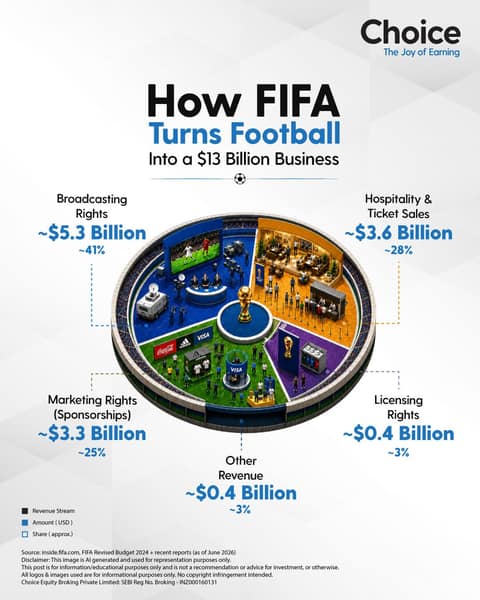
Now that the World Cup is over, I went looking to see how businesses did in host cities. According to the Guardian, FIFA made $15B in revenue from the current World Cup. That is a considerable amount of money to be taking in from this event. Surely the host cities will see some of that money, right? No, host cities get none of this money. Before I could even look into how local businesses did during the matches, I found FIFA continuing to do everything they could to make it seem like this event was a massive success for everyone involved.
When the Federal Reserve released a report showing how local businesses were struggling to make vast sums of money from the World Cup, FIFA complained to them. The Federal Reserve actually issued another statement that praised FIFA while also admitting that even though the World Cup has “provided a tourism boost to host cities, its positive impact was mitigated by economic weakness seen elsewhere.”

It doesn’t take long to find many stories from local news outlets where they report on how local businesses were not making the money promised to them by FIFA and local officials. Fortune wrote a story that detailed how United States host cities were potentially facing a combined “shortfall of upwards of $250 million” thanks to FIFA expenses.
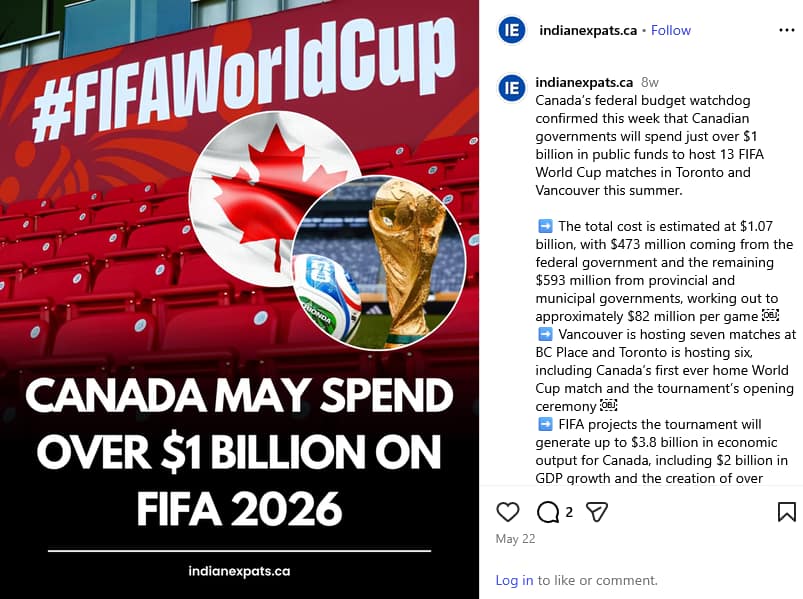
Kansas City, Missouri, did not do much better. The Missouri Restaurant Association did a survey this week and found that “most Kansas City-area restaurants reported lower customer traffic, declining revenue, and a negative overall business impact” thanks to the World Cup.In Houston, Texas, one media outlet, Fox 26 Houston, asked a simple question…”Is FIFA a Total Flop in Houston? Inside the World Cup Bust Crushing Local Businesses.“ Other media outlets in Houston are saying the same thing. One local business owner put it bluntly…“We expected for it to bring more revenue, more business, more foot traffic, and it’s not. It’s hurting us.”Seattle officials spent months hyping up the World Cup effect on locals, yet businesses near World Cup matches “report declining sales.”San Francisco, California, was expecting a “bonanza” of visitor sales. Yet the San Francisco Chronicle put out a story asking…“Why does it feel like a flop?”

I also found some so-called success stories to be a bit odd. For example, the city of Arlington was trying to tell the world about their “major success” because the city stood to now make $24M, up from $18M, from the World Cup matches. Multiple outlets picked this story up. I was interested to see the city’s information for this claim. You won’t find it in the story or anywhere for that matter. Where did this new number come from? Unknown. Instead, the article simply states that “Arlington officials” are telling media outlets about this increase, while also admitting that it would “take another four to six weeks to calculate the final numbers.” At the end of each article, we find out that this $24M is not certain but “anticipated” by unknown city officials…oh, and “occupancy rates were slightly lower than expected.”
By the way, does anyone remember when FIFA promised a “hiring boom” in the United States thanks to the World Cup? Weeks before the World Cup happened in the United States, FIFA told media outlets that they should expect “185,000 full-time jobs” to be created from the matches. According to the latest jobs report, the World Cup hiring spree will “not end up materializing after all,” and any jobs created during the matches were “completely erased in June…leaving employment…down by some 21,000.”
Does FIFA do anything to help locals? A North Carolina State professor recently wrote a report on who exactly benefitted from the World Cup matches. He found that:
FIFA intentionally “overstate(s) economic claims” to cities thanks to impact studies that “often exaggerate benefits…while overlooking public costs and spending”FIFA keeps almost all the revenues from the matches (media rights, sponsors, tickets), yet “host cities absorb major costs with limited direct revenue”Almost all the so-called “economic benefits” given to host cities are “short-lived and uneven, concentrated in tourism/hospitality and fad(es) once the tournament ends”


