
Last year, Tom Dundon bought the Portland Trail Blazers for $4.25 billion from a trust created by Paul Allen, who died last year (Blazers Ownership Group). The state of Oregon also passed legislation last year that would allow for the establishment of a $800 million jock tax to help fund the building of a ballpark for a new Major League Baseball team. While this law did not create a new tax for the players, it allowed the state to issue bonds worth $800 million. The revenues (from player/staff salaries) are supposed to pay off the debt. Lawmakers claim that this law will “insulate everyday taxpayers” from any costs associated with the ballpark.
Now, the Trail Blazers would like some of that money. According to OregonLive, the Blazers want an “estimated $20 million per year” to be given to them “from the state’s general fund.” The team claims that this allows them to start a $600 million renovation of the current arena. However, as OregonLive notes, the Blazers’ situation is not similar to last year’s MLB giveaway. The NBA team’s players/staff have already been paying “into the state’s general fund” since 1970. If the Blazers want money for their arena, it will need to come from “essential services” for a new billionaire owner. Keep in mind that early last year, the city of Portland purchased the arena that the Trail Blazers play in for $1. This allowed the Blazers ownership group to “trigger an obscure, narrowly targeted tax break.” This allowed the Blazers ownership group to receive a tax break that only one other property receives in the state of Oregon: Providence Park, stadium for the Portland Timbers (MLS). The tax break will save the Trail Blazers $1.2 million per year in property taxes. Thank goodness. Around the same time, Portland Public Schools cut $30 million from its budget.
But here is where I have an issue. It is at this point in the article that Oregon Live writes what looks like a section taken from a sports team’s PR department. We often hear the same arguments from teams asking for money. I am not sure why, but the writer of this article seems to copy/paste a lot of the arguments.
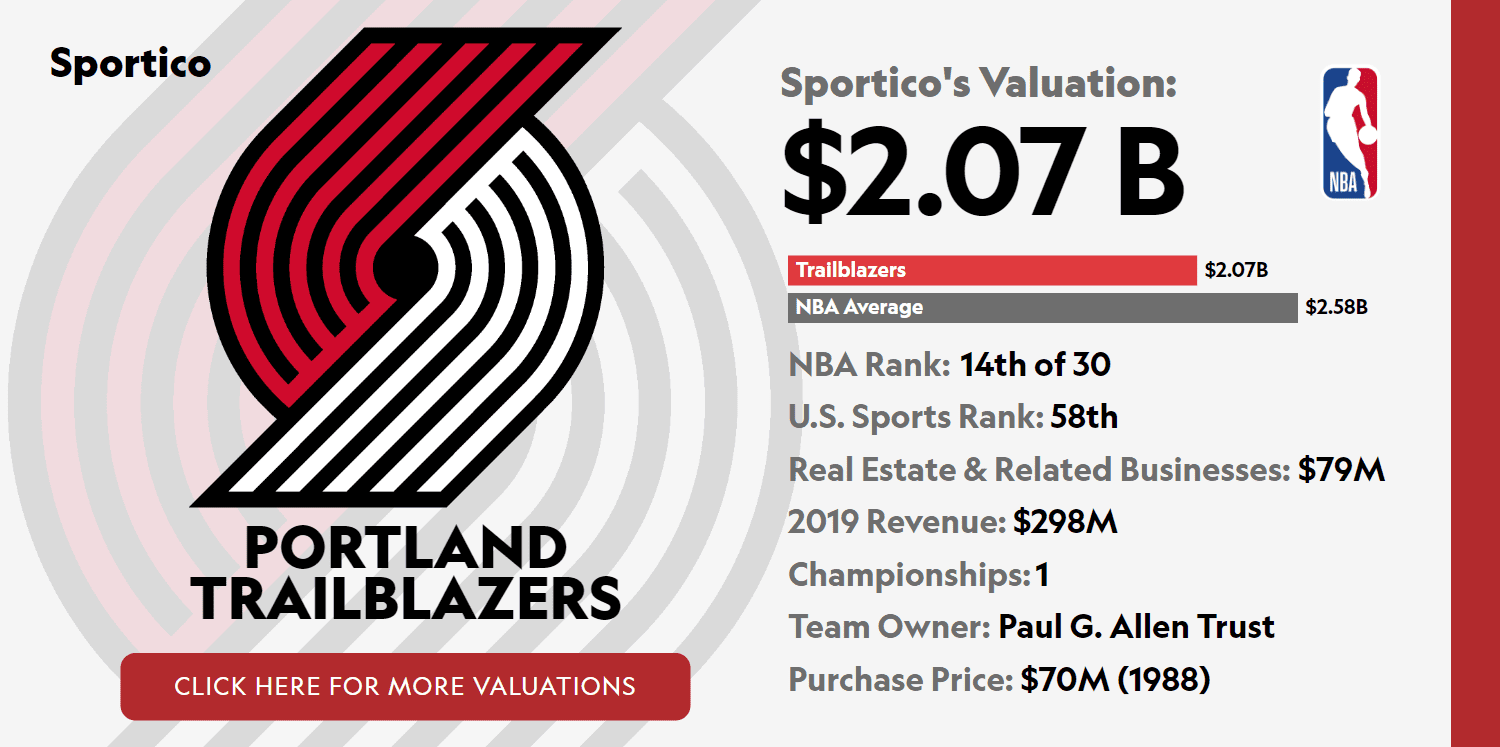
Let’s go over some points made:
1) The Trailblazers “made Portland a major league city” –
Portland needs to give the team money in order to be considered a “major league city”? I feel like I have heard this phrase before. Oh, right. I have heard this many times:
2) If the Blazers don’t get money, Portland will be known as the “city and state that cannot get out of its own way and is driving business elsewhere” –
Again, this is a common tactic. If the team isn’t here, the city will look bad! The area cannot be financially stable!
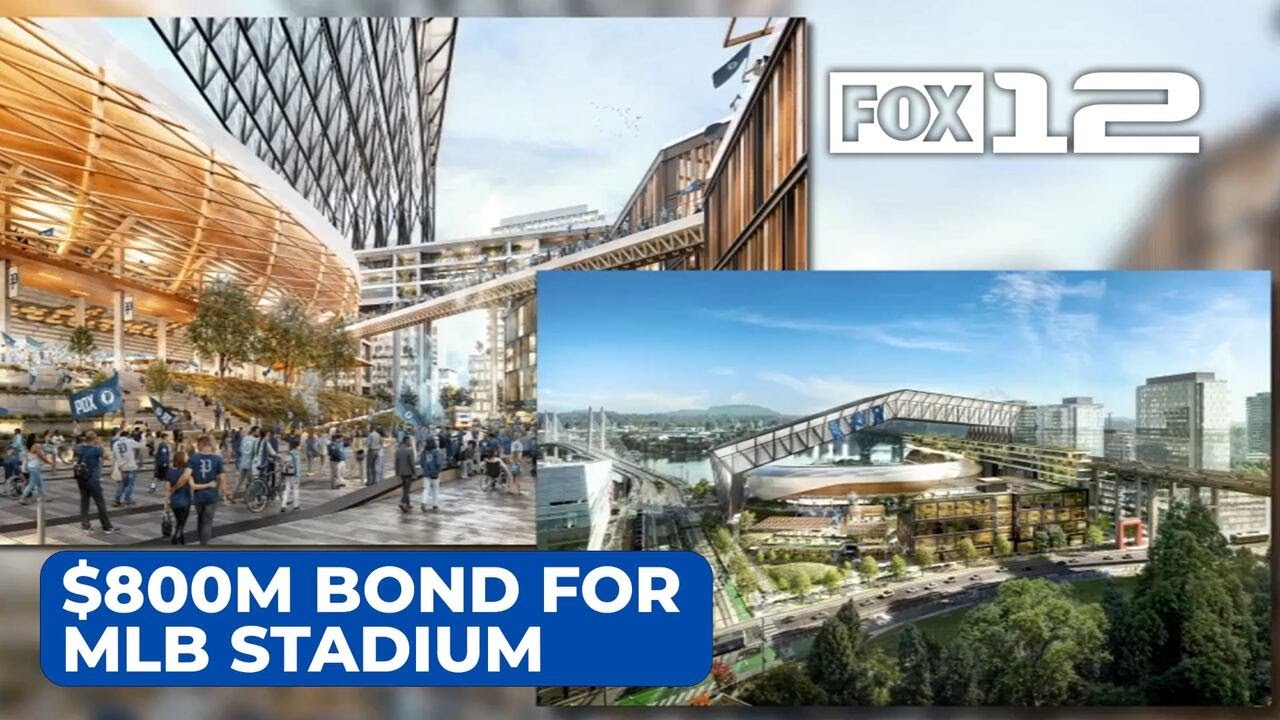
3) Why should the Blazers “be penalized & denied the same funding mechanism” that passed last year? –
The Blazers are not being penalized. They simply wouldn’t be able to apply to this specific piece of legislation. Why should it be on the taxpayers to care if the Blazers are or aren’t able to get money from every legislative bill? Life is not fair. Other businesses don’t get to receive the benefits of every piece of legislation passed.
4) What will MLB think if we “can’t keep the only…sports team” in the area? What message does that send to Dundon, the team’s new owner?” –
Nothing. They care about money. When an owner is willing to come to Portland and fund their ballpark and team, MLB will probably come running. It is laughable to think that MLB would say no to a city if the finances worked out.
5) If the Blazers don’t get money from the general fund, that income tax money “will vanish” –
How? Explain to me how the tax money would vanish. Sports teams love to take any financial numbers near their venue and run with it as if the venue made that money by itself. We see articles almost daily stating how this venue or that venue will create billions of dollars of economic impact money. Without the teams, all of that money will be gone! Are we forgetting the pathetic history of team-funded studies showing massive economic impact numbers and then producing virtually nothing? Almost every economic report issued by a team is “performed by consultants or large consulting firms.” Almost every independent economist will tell you that these economic reports do not include the substitution effect. If you are unaware, the substitution effect means money earned at a new stadium does not generate new economic growth. It just shifts spending from other entertainment and leisure activities like movies, concerts, and dinners. This leads to little economic benefit for the city. If the Blazers left town tomorrow, the general fund may not increase, but the idea that it would lose vast amounts of money is comical.
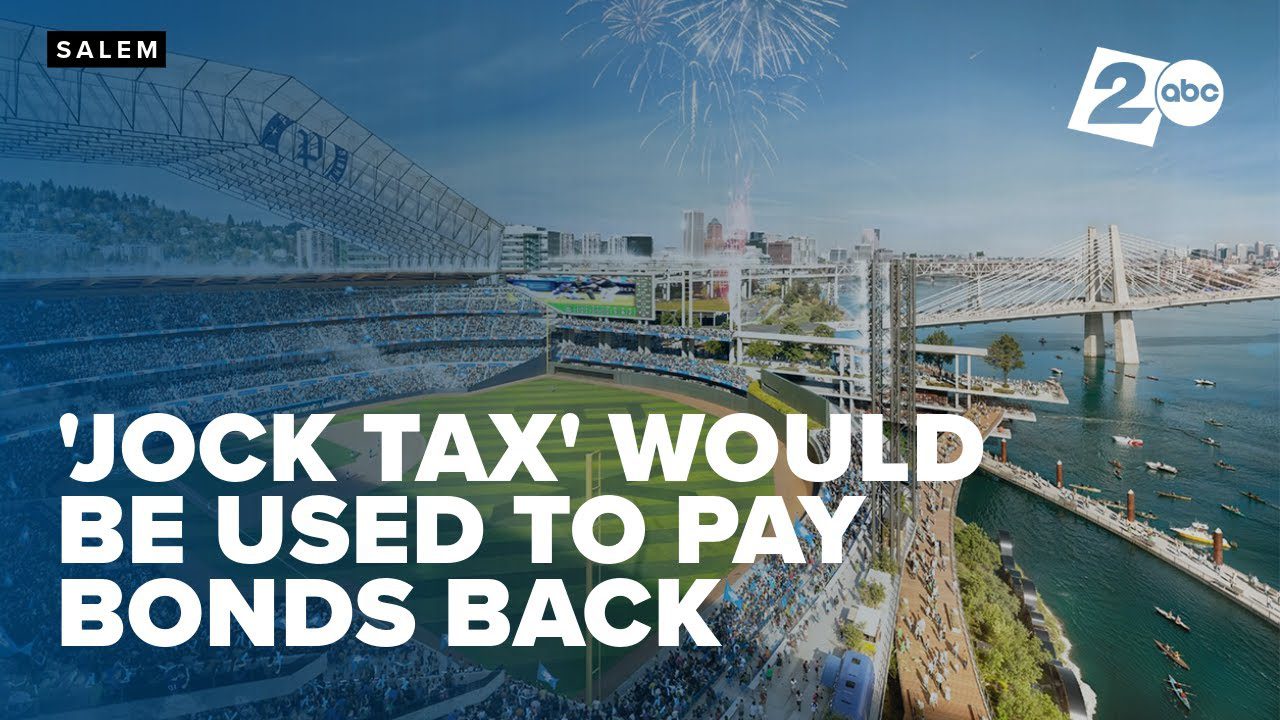
6) Since recent “legislators have been wined and dined over sports” issues that were eventually approved, the Blazers’ request should be approved –
Let me see if I have this correct. Because the team spent money and time talking to legislators, the money be given to them? Does this apply to everyone? Can I get something passed if I give state legislators a few boxes of cash? Also, since when have city or state officials ever taken advantage of their local sports team? It has never happened. Except for that one time in Louisiana. Oh, and that other time in Buffalo. Darn it, and Minnesota. And New York. And New Jersey. And Anaheim. Should I keep going?
7) The Blazers are the organization that is most “fundamental to Oregon’s economy” and generate $670 million per year in economic impact –
The $670 million economic impact number comes from HCR40 (found here). Who wrote the study that found this number? No idea. I have tried looking at every document for this bill, and I can’t find the author of the study. However, I have written many times about how slanted and incorrect the findings of these reports can be.
Dennis Coates and Brad Humphreys, who both work in the Department of Economics at the University of Maryland, wrote a paper called “Professional Sports Facilities, Franchises and Urban Economic Development“:
“Every time the owner of a professional sports franchise wants a new facility built using public financing, an “economic impact study” is commissioned to justify the spending of hundreds of millions of dollars of public money…These impact studies…forecast the future economic impact flowing from a new publicly financed sports facility – and always conclude that there will be large positive economic benefits to the local economy…(and) commonly rely on the use of spending multipliers to arrive at these large positive economic benefits…Local political and community leaders and the owners of professional sports teams frequently claim that professional sports facilities and franchises are important engines of economic development in urban areas…contribute millions of dollars of net new spending annually and create hundreds of new jobs…Despite these claims, economists have found no evidence of a positive economic impact of professional sports teams and facilities on urban economies.” – Dennis Coates, Brad Humphreys, “Professional Sports Facilities, Franchises and Urban Economic Development“
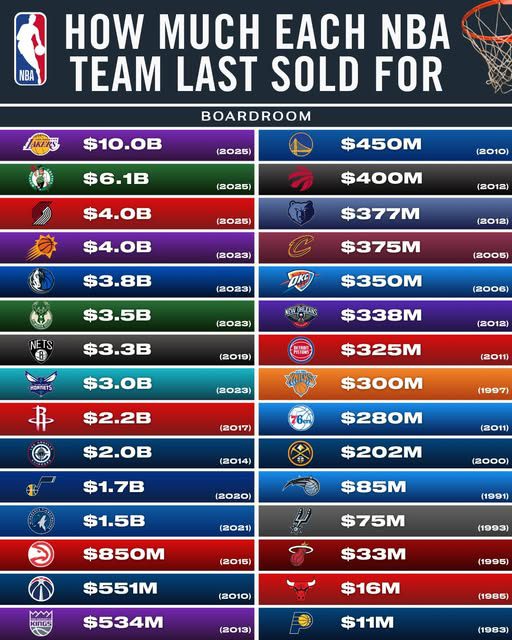
8) While the new owner “would not be putting any new cash into the project,” the money generated by the team should be considered “as a contribution by ownership” –
And why should the owner put in any of his money? The poor guy just bought the team and paid $4 billion for it. He shouldn’t have to pay for a single thing…ever. Just like any business, when people put a significant amount of money to purchase an asset, that person then gets taxpayer money whenever he wants for the foreseeable future. Right?




%20(1).webp?ssl=1 "Catch all the action from Round 3 of the 2026 F1 Sim Racing World Championship")


