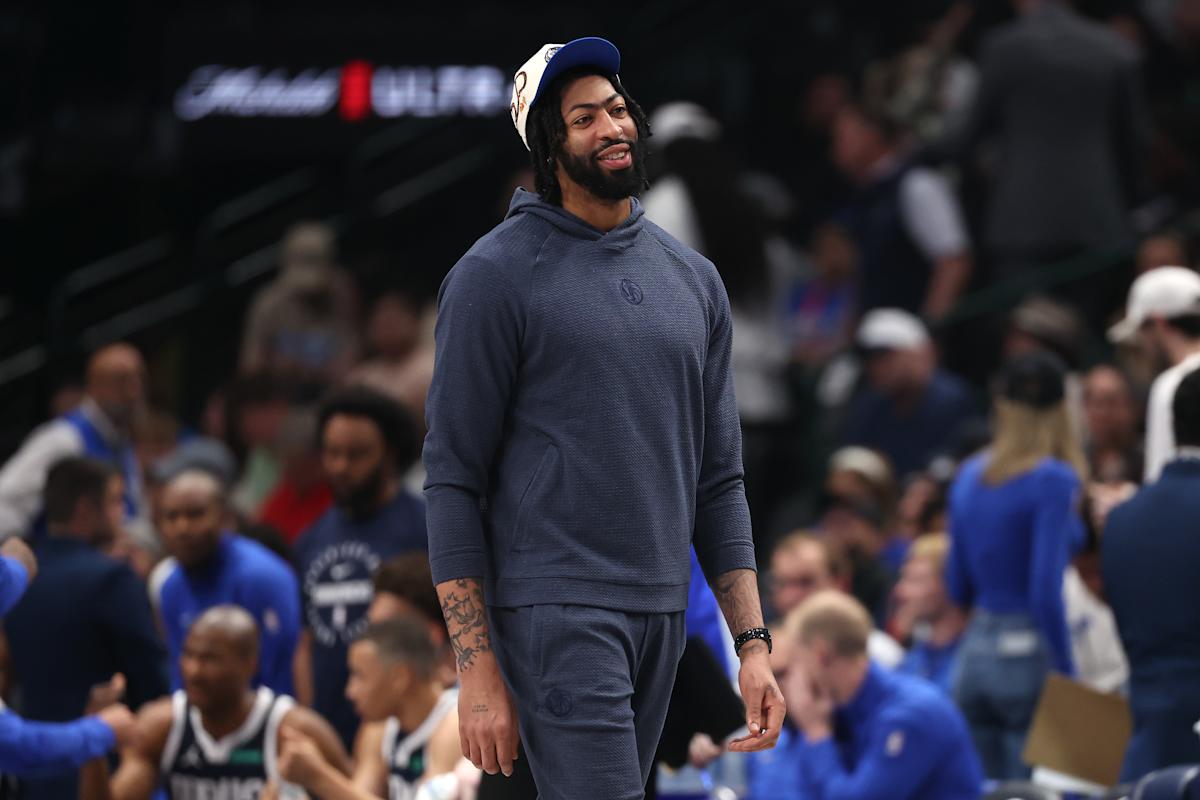
If common sense and justice play any role in the legal outcome of Kansas State firing men’s basketball coach Jerome Tang for cause, he will end up getting all $18.7 million the school owes him.
Not $8 million. Not $12 million. Not $18,699,999. The full deal, and maybe throw in a car and a pair of season tickets for life as an apology. Anyone who lives in reality can look at this situation and see it’s a pathetic attempt by a school to weasel its way out of a financial obligation after giving the world to a coach who was pursued by others (following KSU’s Elite Eight run in 2023), then finding out he isn’t very good.
The realities of lawyering and leveraging and college sports-ing tell us this will probably get settled — The Athletic’s David Ubben talked to legal experts who point out contract language that could help Kansas State, as dubious as that may seem to any non-lawyers who aren’t draped in royal purple. This move and its explanation by Kansas State AD Gene Taylor are more embarrassing than anything Tang ever said as coach, including the “dudes do not deserve to wear this uniform” presser that gave Taylor an opening.
He deserves no grace. The harshest possible consequence — paying out in full and losing out on a preferred replacement because of this decision — would be ideal because it might deter the next AD who made a bad hiring/retaining decision from going this route. College athletics has enough inane trends and doesn’t need this one to blossom any further.
“If you’ve got a strong desire to make a (coaching) change, you can start to fall in love with your legal argument,” a Power 5 athletic director told me this week. “You get with your (lawyers) and pretty soon it’s like, ‘See, this is what the contract really says.’ Next thing you know, you’re off to court.”
Kansas State failing would be good for college athletics. Not necessarily transformational and conclusive, but good and hopeful, just like an Alabama circuit judge ruling professional basketball player Charles Bediako ineligible at Alabama.
It’s important because here’s what won’t change: athletic directors giving contracts to coaches that are loaded with guaranteed money and subject to regret shortly after being signed. The regret is more panicked in this landscape of constant roster turnover, hotly contested dollars and poorly used funds. Kansas State gave Tang ample money for players, and he demonstrated how little that can matter.
Taylor may not deserve grace for this move, but his profession deserves some for the widespread conditions that can lead to such a decision.
It’s easy to look at athletic directors from afar and wonder how they could keep giving out these contracts. It’s easy to suggest that they employ more caution and hit coaches and their agents with incentive-loaded deals that pay top of market for winning big and reduce risk in case things go poorly.
But who’s going first? Are you trying that with a coach you’re pursuing against stiff competition? Or when restructuring a deal because others are coming after your coach? I reached out to several athletic directors and agents and, on this topic at least, they are in lockstep.
Agent: “Unless every AD is willing to go with their eighth choice, I don’t see how this gets any traction.”
AD: “It’s been a policy of mine to not give fully guaranteed contracts, but that’s easier said than done, especially now.”
Agent: “I would never agree to (an incentive-heavy deal). This is a free-market society.”
Agent: “When I’m negotiating a deal for one of my coaches, it’s guaranteed money over everything. I mean, ADs get way too much blame for this stuff when it’s just about the going rate. The same people who are criticizing Gene Taylor for giving Tang this much money would have been all over him if he lost Tang to Louisville after the Elite Eight run.”
Yes, the agents who regularly outmaneuver athletic directors in negotiations are defending the athletic directors. It’s fair to have a chuckle at this. It’s also important to remember that an AD has bosses.
An AD directed me to North Carolina’s hire of Bill Belichick, which involved a trustee bypassing AD Bubba Cunningham and essentially emptying the pool of candidates, which only served to drive up Belichick’s price tag. The hilarity of Louisiana Gov. Jeff Landry vowing LSU would never again give out a deal like the one it handed Brian Kelly — weeks before it gave the same kind of deal to Lane Kiffin — looms large here.
“An AD can talk about what makes sense and what the market is, but the (university) president has to approve a deal, and then the board has to approve it,” a Power 5 AD said. “Then the governor weighs in. The politicians are where the problem is.”
The athletic director does (usually) make the choice, though. And, at times, they have to own it. Legal experts pointed out to Ubben that Tang’s contract states “objectionable behavior” is determined “in the sole reasonable judgment of the Athletics director,” which could help Kansas State.
But an agent told me “reasonable” is a word that “does some heavy lifting.”
“That’s a word I always try to have in contracts,” the agent said. “Legally, it is taking discretion and putting it through the eyes of a hypothetical, reasonable person.”
And no one reasonable can look at this and think Tang should forfeit a cent of what he’s owed.
Maybe there’s more information to be revealed. Taylor has lawyers. Taylor has bosses. Taylor did what most in his position would have done when he gave Tang a new contract in 2023. But he needs to lose this one and deserves to be held in contempt of the court of public opinion in the meantime.