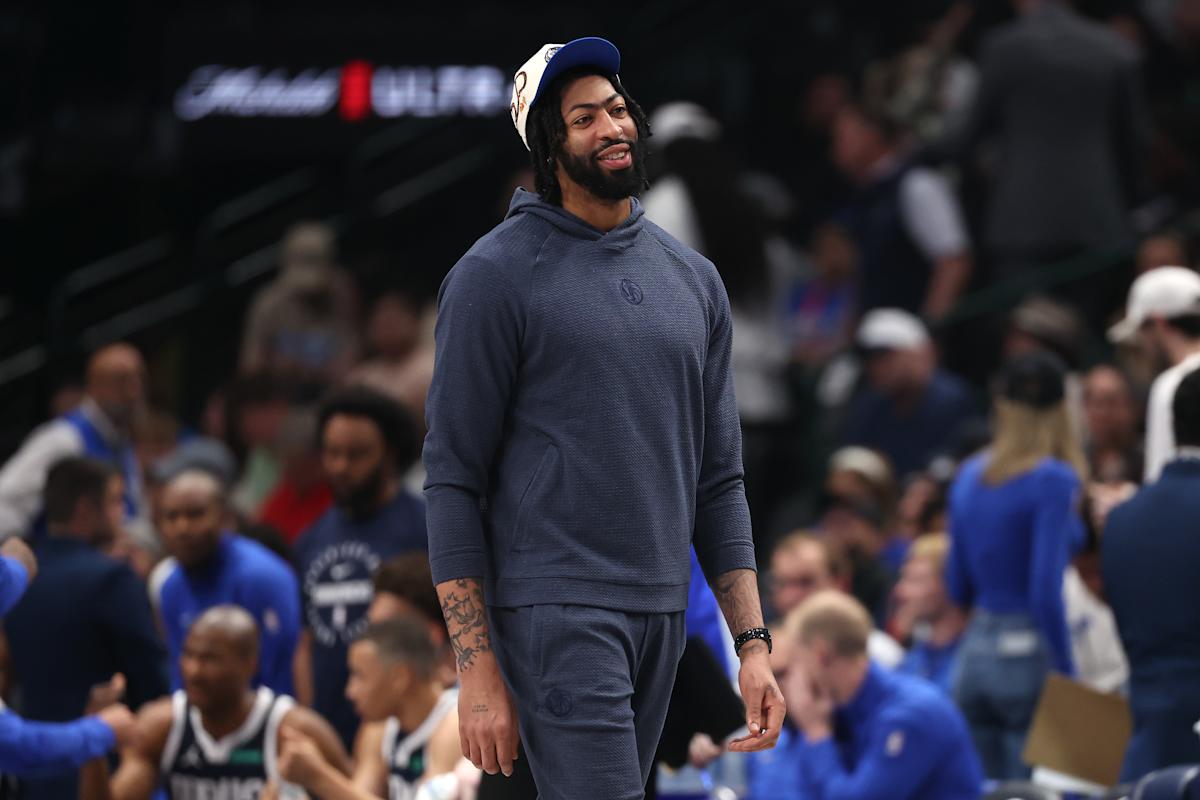
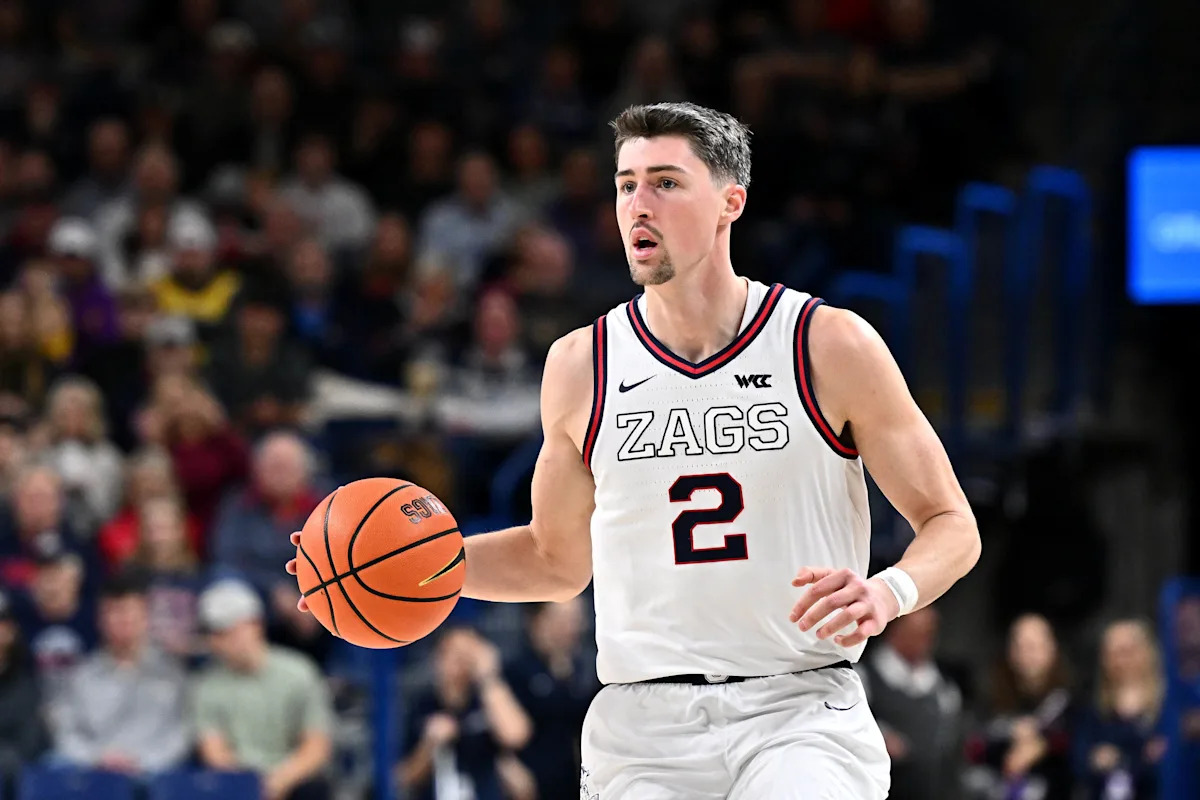
It was the first full-season in the big leagues for the now -31-year-old outfielder, as Eli White found a role as a reserve outfielder and took advantage of his playing time for a solid all-around season with the Atlanta Braves.
Atlanta traded for White on January 3, 2023 after the Texas Rangers had removed him from the organization’s 40-man roster late in December of the prior year. Originally an 11th-round draft choice by the Athletics in 2016, White was part of a massive three-team trade between those two clubs and the Tampa Bay Rays that landed him in Texas and also included his future Braves teammate and the guy he spent a bunch of time filling in for, Jurickson Profar.
What were the expectations?
White, who debuted with the Rangers in 2020, had 171 big league games under his belt before joining the Braves organization – but had played in only 41 games with Atlanta across two seasons heading into Spring Training 2025. His track record coming into 2025 was pretty meager — just 0.3 fWAR in 448 PAs, as he wasn’t hitting a lick (59 wRC+). On the flip side, his value was buoyed by some pretty insane defensive marks.
White didn’t really do anything all that notable in 42 PAs in 2024 (his 115 wRC+ was betrayed by another poor xwOBA), but the Braves gave him a lot of playing time early in Spring Training – including multiple games at shortstop and second base, positions White had played in college and in the early minors, before converting to an (almost) full-time outfielder. He was also out of options, which played no small role in everything that happened.
White’s defensive acumen in the outfield seemed legit, but there were serious questions about his hitting and whether it was worth having a pure speed-and-defense outfielder without options on the roster. He was projected as a pretty mediocre bench option given his lack of hitting track record, stellar defense and all.
In 105 games and 271 plate appearances, White had a 10/10 season, showing surprising pop with 10 home runs while also swiping 10 bases. All told, he had a 84 wRC+ but gathered 0.7 fWAR thanks in large part to his defense. He substantially underhit what was a pretty average-y xwOBA, so it was actually a much more successful season offensively than it seems at first blush. Defensively, he racked up quite a lot of value in not that much playing time (+5 OAA-based runs in under 600 innings), but given that he largely played a corner outfield spot, his value got dinged by the positional adjustment.
White’s 0.7 fWAR in 271 PAs is roughly a rate of 1.5 fWAR per 600 PAs, which is a very good bench player if not quite starter quality. If he hadn’t underhit his xwOBA, he’d probably have produced like an average regular, so everyone has to be pretty content with that turn of events given his complete inability to hit at the major league level before 2025.
When Profar’s PED suspension and the struggles of Bryan De La Cruz and Jarred Kelenic created a black-hole in Atlanta’s outfield, White answered the call with a hot-streak in late April that carried through mid-production. As a lineup regular until Profar returned from suspension, White gave the team spurts of offensive productivity and had several standout games, including his two-homer, 4 RBI game at the Bristol Speedway Classic, where he basically was the entire Atlanta offense in a 4-2 win.
White wasn’t expected to play a big role on the club as the outfielder was likely slated for pinch-run duties at the end of Atlanta’s bench, but by the time the season concluded, White had proved he could be a solid bench piece who could contribute as a temporary line-up regular when called upon to do so.
Like speed-first, fifth outfielders Josh Anderson and Lane Adams before him, White was a threat on the base paths, but his double-digit home run output made him a viable pinch-hit option once he returned to his reserve status.
He continued to be super-fast; his sprint speed has been in the 96th percentile or higher, and usually in the 99th percentile, in each of his major league seasons to date.
Other than a horrific base running blunder that cost the Braves a run and possibly a win in the standings, it’s hard to say anything went wrong for White relative to his expectations. In reality, though, his batting line was buoyed by his hot streak in late April, and then another one across 20 PAs in September; for the other four months, he largely struggled at the plate aside from the occasional outburst like the one he had in Bristol.
If you look at his Baseball Savant page, pretty much all the offensive bars are average at best, and pretty bad at worst. He actually had pretty good contact quality on average. but the combination of an above-average strikeout rate and a walk rate about half of league average, plus the fact that he made a lot of really weak contact to go with an above-average barrel rate, added up to something in the average-but-not-really-any-better-than-that range. Even though pitchers challenged him a lot, he still had an above-average chase rate and showed little ability to hang in there on pitcher’s pitches.
All that said, things sure would’ve looked a bit better without that xwOBA underperformance.
We’re not going to focus on the worst baserunning ever, but one time that White had a horrible game without a critical brainfart on the bases was May 22. The Braves lost that game in walkoff fashion, but before they did so, White had a miserable time, going 0-for-5. One of his strikeouts came with the Braves down three, the bases loaded, and one out. But, even worse, he came up with runners on the corners and one out in the tenth, and hit into a routine double play that set up the walkoff loss in the bottom of the inning.
White and the Braves agreed on a $900,000 deal for 2026, which means he likely has the inside track for a bench role with Atlanta next season. (That, and he’s still out of option years…) It would probably take a couple of players to be unavailable simultaneously for White to get extended playing time, but as a pinch-running option, late-inning defensive replacement and a pinch-hitter with some pop, White has the possibility of being a multi-year bench option so long as age doesn’t rob him of his elite speed too quickly.
Steamer has White as replacement level for 2026, but Steamer always heavily regresses speed and defense, which are the things White relies on to rack up value. ZiPS essentially has him replicating his 2025 offensively, but with even more defensive value, giving him average-production-in-a-part-time-role as a point estimate. He probably won’t play enough to do it again, but expecting something akin to his 2025 seems pretty reasonable, and that’s a good guy to have around.