In a move that could reshape recruiting for Mississippi universities, state lawmakers have passed legislation that would exempt NIL earnings from state income taxes. As college athletics continue to evolve in the NIL era, Mississippi is positioning itself as one of the most aggressive states in leveraging policy to benefit its universities.
The new policy has increased every NIL deal’s take-home value, and in a market where an athlete’s deal could range from hundreds of thousands to millions of dollars, the savings could be substantial.
Where the tax break makes a difference
Mississippi currently imposes a 4.4% tax on income. Saving 4.4% can put a large sum of money back into the athlete’s pocket.
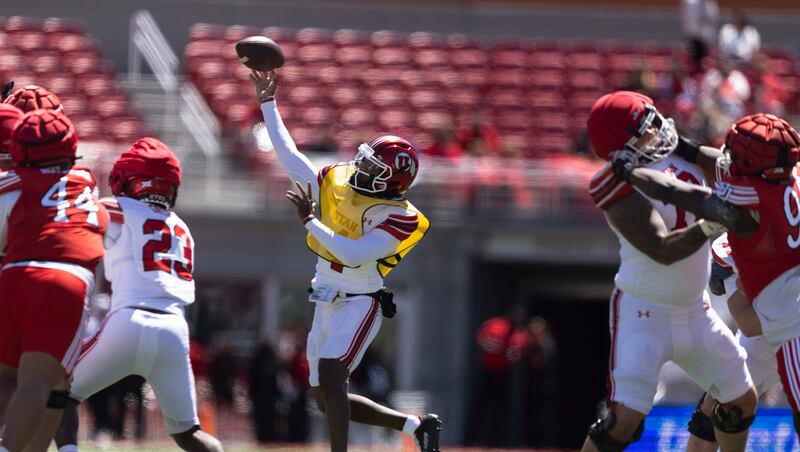
“Quarterback Trinidad Chambliss, with an estimated NIL valuation of $4 million, will save approximately $176,000 while playing at the University of Mississippi, assuming all NIL income is Mississippi-sourced, and he has no other deductions or apportionment,” a March 2 article from Forbes noted.
This changes how collectives for Ole Miss and Mississippi State spend money. The deals moving forward can be negotiated at a lower rate, and the take-home pay could match or beat deals from other programs.
Does this create a recruiting advantage?
According to 247 Sports 2026 top Mississippi football recruits, only four of the top 10 signed with Mississippi universities. In a talent-rich state that produces more NFL players per capita, this could potentially be the deciding factor to keep them in the state.
Will this win out in most recruiting battles? Maybe not, but in an era where margins are smaller than ever, Mississippi gave its two programs leverage and a new selling point.
Is it fair to other Mississippi residents?
While the measure strengthens the appeal of the in-state programs, it also raises questions of fairness. Mississippi residents in other professions are not exempt from paying the state income tax. Teachers, health care workers and small business owners are still taxed on their earnings, while athletes seem to get special treatment.
Mississippi lawmakers struggled with this, too. In an article from the Clarion Ledger, Rep. Dan Walls was quoted as saying, “Is the only incentive for us doing this because other states are doing it? I just don’t know why they’re being treated different than anyone else in the world.”
Athletes will still be required to pay the Federal income tax, but the policy undeniably places sports at the center of the broader fiscal conversation.
Ultimately, Mississippi’s decision further shows the shift from amateur tradition to economic competition. Recruiting pitches have moved from facilities and pro potential to economic policy, and more states could follow suit. While fairness will continue to be the center of debate, it’s clear that state legislatures have entered the recruiting battle.