Inoue has stayed active since that night, adding multiple defenses of his undisputed crown, including a stoppage of Ramon Cardenas and a decision win over David Picasso. He was dropped in two of those fights but regained control each time.
Nakatani enters off a tougher outing. The 28-year-old moved past Sebastian Hernandez by unanimous decision in a fight that demanded more than his earlier title runs across three divisions.
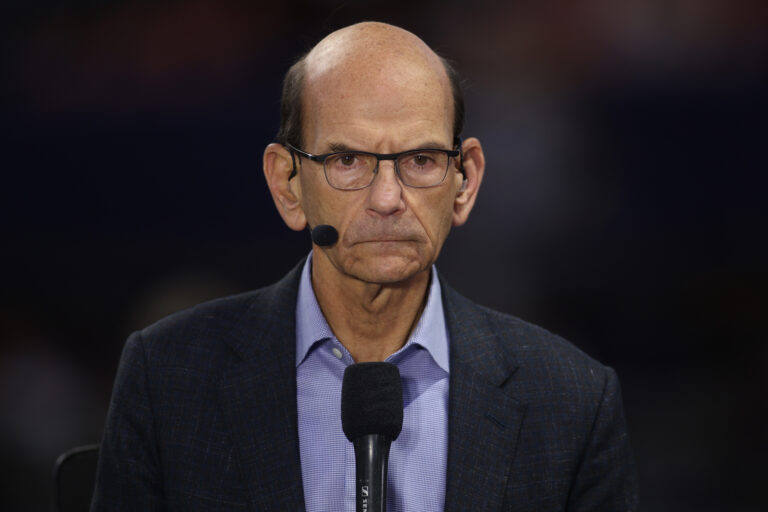
Teddy Atlas broke down the matchup and pointed to distance as the key factor.
“Listen, Inoue’s a big [betting] favorite. I think Nakatani’s a live dog. You have to like Inoue; it’s hard to go against him,” said Atlas on his YouTube site.
“This fight will come down to geography. Who fights at the range, the distance, the location that better suits them for their talent? Inoue wants to be close; Nakatani wants to be at a distance. And he’s a southpaw. He wants to make it hard for Inoue to make ground.”
Atlas also questioned how much Nakatani has recovered from his last fight.
“Nakatani took a lot of punishment [against Hernandez]. Has he had enough time to recover? He went in that ring and came out of it with probably a little less of himself.
“At 28, he’s young enough to handle that. I give Nakatani a shot.”
That December night in Riyadh shifted the narrative on him significantly. Before Hernandez, Nakatani was viewed as this untouchable, elite sniper; after that fight, he looked human, and specifically, he looked vulnerable to a high-volume, disciplined pressure game.
Teddy Atlas is right to bring up the physical toll. Boxing history is littered with “changed” fighters who took a career-altering beating in a win.
It’s not surprising that the Inoue vs. Nakatani money fight is going ahead. In the current boxing landscape, undisputed title fights at the Tokyo Dome don’t wait for rematches.
By skipping the Hernandez rematch to take the Inoue payday, Nakatani is betting that his lackluster performance was just an off-night or a bad stylistic matchup.